
furry1959
About Candidate
Climate has an impact on the lifespan of electric car batteries in addition to driving habits. The most recent models of electric cars, however, are made to withstand contact sales these circumstances; some manufacturers even use specialized cooling systems to control the temperature of the battery. Extreme temperatures, whether they are hot or cold, can shorten the battery’s life because they accelerate the breakdown of the chemicals within. Battery management systems, which extend the battery’s life by optimizing charging and discharging patterns, are a common feature of electric vehicles.
About the Author: Kevin. Battery longevity is also influenced by driving habits. On the other hand, limiting deep discharges, charging frequently but not excessively, and driving at moderate speeds can all help extend battery life. Some provide coverage for up to 10 years or 150,000 miles, and a few manufacturers promise that the battery will maintain a certain percentage of its initial capacity – typically 70% – for the duration of the warranty. Automakers provide extensive warranties to support their belief in the longevity of batteries.
Federal regulations in the US mandate that batteries be covered for at least 8 years or 100,000 miles, and many manufacturers go far beyond that minimum. These are real engineering assurances based on years of real-world data and testing; they are not merely marketing pledges. It’s not necessary to learn how to replace spark plugs or commit torque specifications to memory. You get back the time and money you spent on routine drivetrain fluid flushes, filter replacements, and oil changes.
Dealers and automakers provide less frequent service schedules for EVs overall. Even so, it is not as difficult as conventional maintenance. Understanding your charging habits and maintaining the battery’s comfort zone constitute a different kind of responsibility that comes with the trade-off. Heat, cold, and mechanical damage all have an impact on every cell. Most battery cells gradually deteriorate over time, but battery modules can go offline for a variety of reasons (such as heat, contamination, or poor manufacturing).
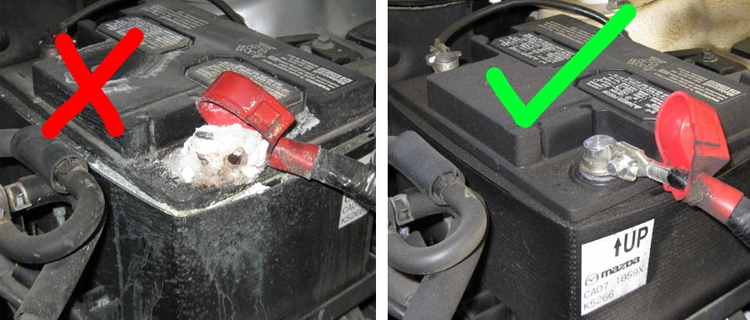 The upshot is that if a battery does go bad, then you should check if it’s covered by warranty and consider the cost of replacing the entire pack versus the cost of buying a new car. Every cell will eventually lose its ability to sustain its initial charge and die at a different rate. You’re not really hitting the physical ceiling of the cells because many cars actually reserve a tiny buffer above the indicated 100 percent to protect the battery.
The software in your contemporary EV from a reliable manufacturer is already watching out for you. Additionally, charging a car to 100% is acceptable for some models as long as you don’t leave it there for extended periods of time.